

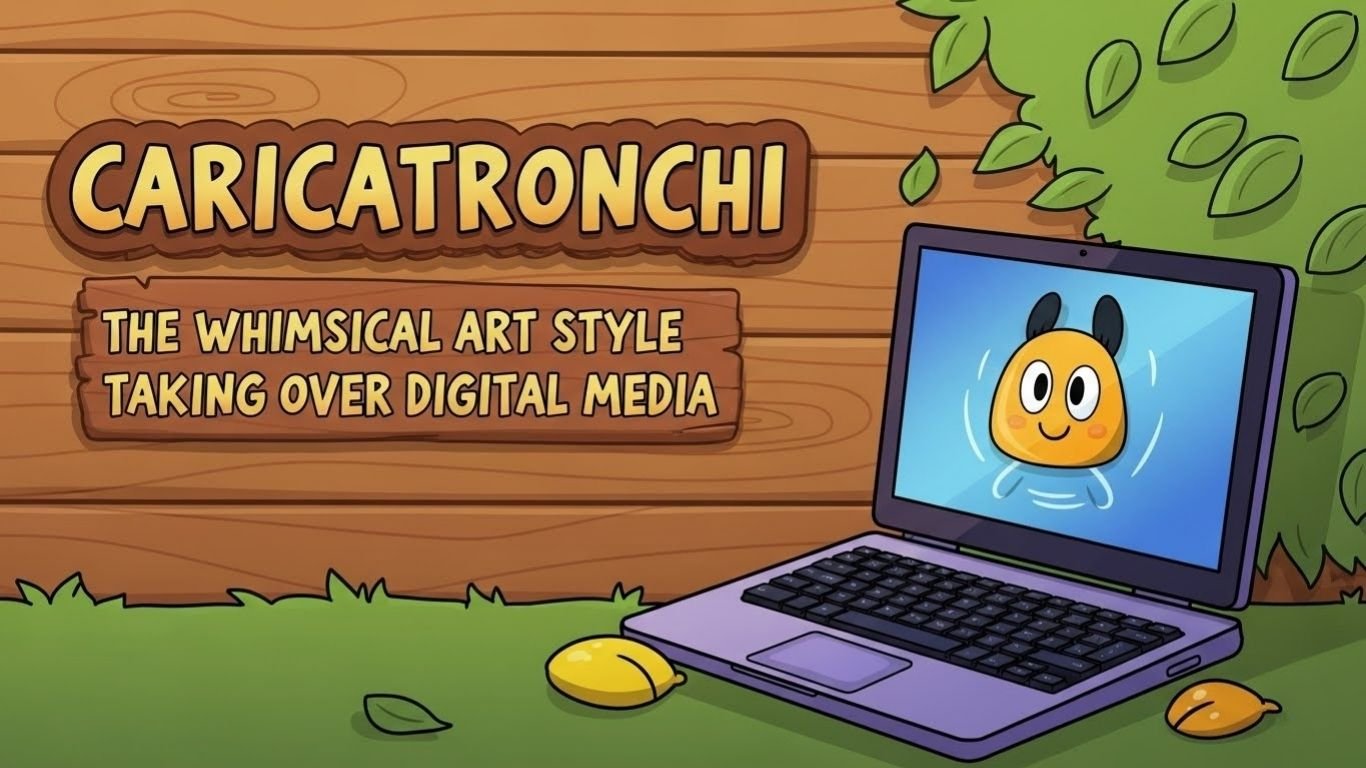
Have you ever stumbled upon a piece of art that looks like a caricature but feels deeper, more emotional, and perhaps a little more magical? You might be looking at caricatronchi.
It’s a word that sounds like a tongue-twister, but it’s quickly becoming a favorite term among digital artists, illustrators, and brand designers. Unlike standard caricatures you might get at a theme park, caricatronchi isn’t just about big heads and tiny bodies. It’s about capturing a mood, a story, and a personality through playful exaggeration.
In this guide, we’re going to break down exactly what this art style is, where it came from, and why you’re seeing it everywhere from social media feeds to corporate branding. Whether you’re an artist looking for inspiration or just curious about this new buzzword, you’re in the right place.
What is Caricatronchi?
At its core, caricatronchi is an artistic style that marries traditional caricature with whimsical, often surreal exaggeration. While “caricature” focuses heavily on distorting physical features for comedic effect, caricatronchi goes a step further. It uses those distortions to tell a story or convey an emotion.
Think of it as caricature with a soul.
It’s not just about making a nose look funny. It’s about using a sharp angle or a vibrant color palette to show that a character is mischievous, tired, or bursting with joy. This style relies heavily on visual storytelling. It transforms ordinary subjects into expressive characters that feel alive, even if their proportions are totally unrealistic.
You’ll find this style thriving in digital spaces. From stickers on messaging apps to character designs in mobile games, caricatronchi has found a home where quick, visual communication is key.
The Origins and Evolution of Caricatronchi
To understand where we are, we have to look back. The roots of this style dig deep into the history of European caricature art.
From Renaissance Sketches to Digital Screens
Caricature art has been around since the 16th century. Artists like Leonardo da Vinci and the Carracci brothers (who likely gave us the word “caricatura”) used to sketch “charged” portraits—drawings meant to reveal the essence of a person by exaggerating their features.
Caricatronchi is the modern, digital descendant of these sketches. As art moved from paper to tablets, the tools changed. Artists gained the ability to use layers, unlimited color palettes, and digital effects. This freedom allowed the traditional caricature to evolve. It stopped being just a street-corner novelty and became a sophisticated illustration method.
The Influence of Pop Culture
Modern pop culture accelerated this evolution. Cartoons, anime, and internet memes created a visual language where exaggeration is normal. We are used to seeing characters with giant eyes or impossible hairstyles. Caricatronchi borrows from this language, mixing the classic “grotesque” elements of caricature with the polished, appealing aesthetics of modern animation.
Key Characteristics of Caricatronchi
So, how do you spot a piece of caricatronchi art in the wild? It’s not always easy to define, but there are a few tell-tale signs.
Exaggeration and Whimsy
This is the big one. If a character has a neck that loops like a snake or a smile that literally stretches from ear to ear, you’re in caricatronchi territory. But unlike mean-spirited caricatures, these exaggerations often feel playful or “whimsical.” They invite you to laugh with the subject, not at them.
Dynamic Line Work
The lines in these illustrations often feel energetic. They might be scratchy, uneven, or flowing, mimicking the spontaneity of a quick sketch even in a polished digital painting. This gives the artwork a sense of movement.
Simplified Shapes
Complex details often get in the way of emotion. Caricatronchi artists strip away the unnecessary. A hand might just be a circle and a few lines, or a tree might be a simple green blob. By simplifying shapes, the artist forces you to focus on the expression and the mood.
Vibrant Colors
Color isn’t just decoration here; it’s part of the narrative. You’ll often see non-realistic skin tones—blues, greens, purples—used to convey feelings. A character feeling sick might be literally green, or someone in love might be glowing pink.
The Role of Humor and Satire
You can’t talk about this art form without talking about humor. It is the heartbeat of the genre.
Traditional art often takes itself very seriously. Caricatronchi does the opposite. It embraces the absurdity of life. It uses satire to poke fun at social norms, politics, or just the weird things humans do.
For example, an artist might draw a “corporate worker” with a hunchback from sitting at a desk and eyes that have turned into literal coffee cups. It’s funny, but it’s also a sharp observation about modern work culture. This blend of humor and truth is what makes the style resonate so deeply with audiences. It’s a way to process the world around us with a smile.
Applications of Caricatronchi in Modern Media
This isn’t just art for art’s sake. This style is incredibly functional and has been adopted by various industries.
Digital Illustration and Content Creation
Bloggers and content creators love this style. Why? Because stock photos can be boring. A custom illustration in this style grabs attention instantly. It adds personality to a webpage and keeps readers engaged.
Branding and Advertising
Brands used to be afraid of looking “silly.” Not anymore. Companies like Slack, Dropbox, and various tech startups have popularized the use of “corporate Memphis” and other stylized illustrations that share DNA with caricatronchi. It makes brands feel more human, approachable, and less like faceless corporations.
Social Media
On platforms like Instagram and TikTok, visual impact is everything. A hyper-realistic portrait is impressive, but a funny, exaggerated character is shareable. It sparks conversation. Memes are essentially a low-fi version of this concept—using exaggerated visuals to communicate a shared feeling.
Education and Learning
Textbooks are boring. Educational apps like Duolingo use stylized, exaggerated characters to make learning fun. When a character cries a river of tears because you missed your Spanish lesson, that’s caricatronchi at work—using exaggeration to motivate and entertain.
The Creative Process Behind the Art
Creating a piece in this style isn’t as chaotic as it looks. There is a method to the madness.
- Conceptualization: It starts with an idea or a feeling. “I want to draw frustration.”
- The Sketch: The artist sketches loosely, trying to find the shape of that emotion. This is where they decide to make the head explode or the eyes pop out.
- Refining Shapes: They clean up the mess. They decide which lines serve the story and which ones are just noise.
- Color and Mood: Finally, they add color. This is where the atmosphere is built. Is it a gloomy blue Monday or a fiery red rage?
The most important tool here isn’t a specific brush or software—it’s imagination.
Caricatronchi vs. Traditional Caricature
It’s easy to confuse the two, but here is a simple breakdown of how they differ.
| Feature | Traditional Caricature | Caricatronchi |
|---|---|---|
| Primary Goal | Humor through distortion | Emotion & storytelling through whimsy |
| Focus | Physical features (big nose, big ears) | Personality and mood |
| Medium | Often pencil/marker on paper | Mostly digital media |
| Vibe | Satirical, sometimes mocking | Playful, empathetic, artistic |
Traditional caricature is often about what someone looks like. Caricatronchi is about what someone feels like.
Why Caricatronchi Matters Today
We live in a loud, crowded digital world. We scroll past thousands of images a day. Realistic photos often blend into the background because we see them all the time.
Caricatronchi stands out because it breaks the rules of reality. It stops the scroll.
More importantly, it fosters connection. When you see a drawing of a character melting into a puddle because it’s hot outside, you relate to it instantly. It bypasses language barriers and speaks directly to our shared human experiences. It reminds us not to take life too seriously and to find the magic in the mundane.
Conclusion
Caricatronchi is more than just a funny word or a passing trend. It is a legitimate evolution of visual art that fits perfectly into our digital lives. It combines the wit of satire with the beauty of illustration, creating something that is both entertaining and meaningful.
So, the next time you see a wonky, colorful, expressive character on your screen, take a closer look. You’re witnessing a modern artistic movement that is reshaping how we see ourselves and the world.
Ready to dive deeper? Grab a tablet or a sketchbook and try distorting reality yourself. You might just find your own style within the whimsical world of caricatronchi.
Frequently Asked Questions (FAQs)
1. Is caricatronchi the same as a cartoon?
Not exactly. While they share similarities, cartoons are generally designed for animation and sequential storytelling. Caricatronchi is an illustration style that can stand alone as a piece of art, focusing heavily on exaggerated traits to convey a specific personality or emotion in a single image.
2. Do I need to be good at drawing realistic portraits to do this?
It helps to understand anatomy so you know how to break the rules effectively, but it’s not strictly necessary. Many artists start directly with stylized shapes. The focus is on expression rather than anatomical perfection.
3. What software is best for creating caricatronchi art?
Most digital artists use Procreate (for iPad), Adobe Photoshop, or Illustrator. However, free tools like Krita or even traditional pen and ink work perfectly fine. The tool matters less than the creativity.
4. Can this style be used for professional business logos?
Absolutely. Many modern brands use mascot logos that fit this style. It makes the brand appear friendly, creative, and approachable, which helps build trust with customers.
5. Where can I find artists who specialize in this style?
Platforms like Behance, Dribbble, and Instagram are goldmines for this art style. Searching tags like #characterdesign, #whimsicalart, and #stylizedillustration will lead you to artists practicing this technique.
 cherry B