

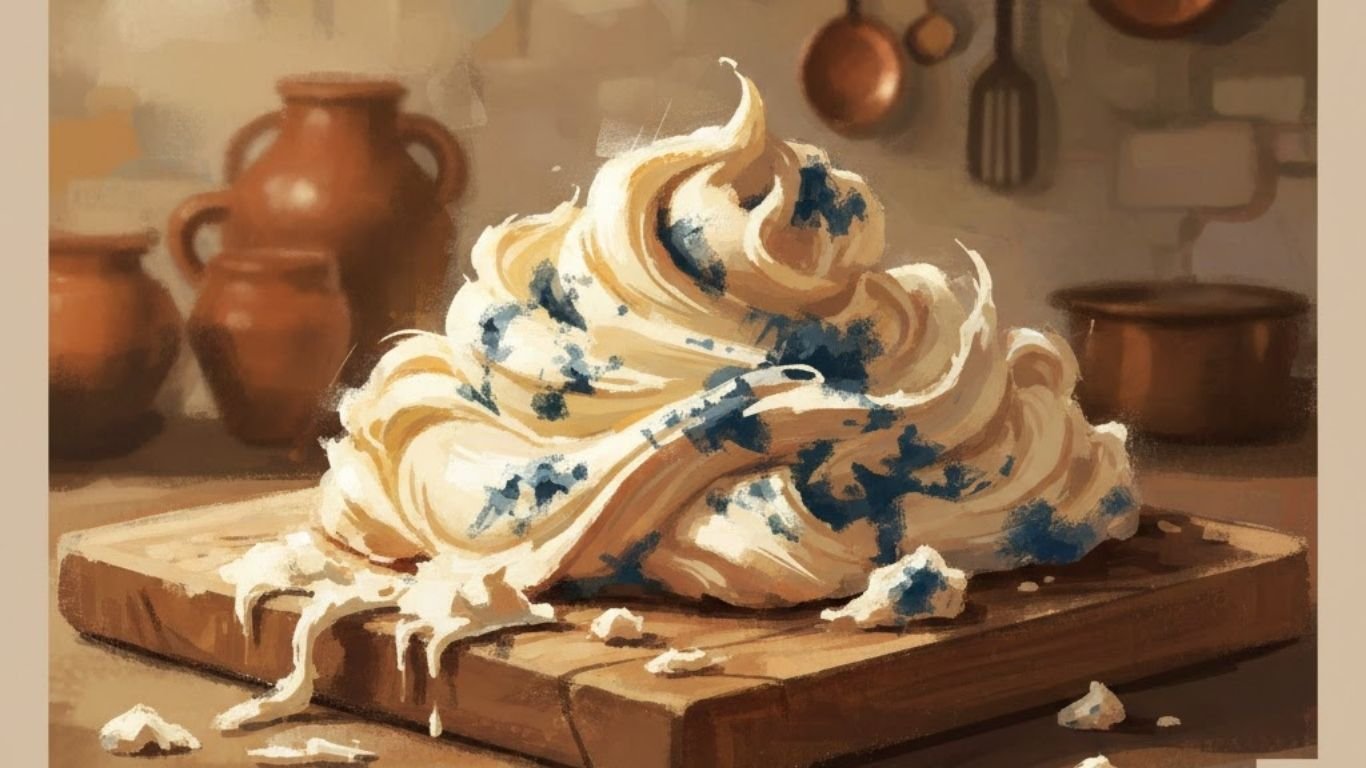
If you’ve landed on this page wondering “what is masgonzola?”, you’re not alone. Over the past year, masgonzola has quietly popped up across blogs, niche websites, and curiosity-driven searches. It’s not a mainstream word, not something you’ll find in a traditional dictionary, and yet people keep looking it up.
That alone makes it interesting.
This article breaks down what masgonzola means, where it may have come from, how people are using it, and why it’s gaining attention online, all from an informational perspective. No hype. No selling. Just a clear, human explanation of a term that lives somewhere between language, culture, and creativity.
What Is Masgonzola?
At its core, masgonzola is a coined or invented term. It doesn’t have a single official definition, and that’s exactly why people are searching for it.
Most interpretations fall into one of three categories:
- A linguistic blend inspired by Italian-sounding words
- A conceptual food term, often linked to cheese culture
- A creative or symbolic name used in digital or branding contexts
Unlike established words, masgonzola is flexible. Its meaning depends heavily on how and where it’s being used.
Is Masgonzola a Real Cheese?
This is one of the most common questions tied to the keyword.
Short answer: no, masgonzola is not a formally recognized cheese.
You won’t find it protected by PDO status, listed in Italian cheese registries, or sold widely in supermarkets. However, the name sounds familiar for a reason.
Why It Feels Like a Cheese Name
The word appears to echo two well-known Italian cheeses:
- Mascarpone – soft, creamy, mild
- Gorgonzola – bold, blue, pungent
Because of this, many people assume masgonzola refers to:
- A fusion cheese
- A chef’s experimental blend
- Or a nickname for a homemade recipe
In reality, it’s more of a conceptual label than a standardized food product.
Possible Origins of the Word “Masgonzola”
Since masgonzola isn’t formally defined, its origin is best understood through linguistic and cultural patterns.
1. A Portmanteau Creation
Masgonzola fits the pattern of a portmanteau, a word formed by blending parts of two others. This technique is common in:
- Food naming
- Brand creation
- Internet slang
The rhythm and vowel structure give it a believable, European feel, which adds to its appeal.
2. Internet and Content Culture
Many modern words don’t come from textbooks, they come from:
- Blogs
- Experimental writing
- SEO-driven content
- Naming exercises
Masgonzola appears to have gained traction because it’s:
- Unique
- Searchable
- Unclaimed by rigid definitions
That makes it easy for people to explore, explain, and reinterpret.
How Masgonzola Is Used Today
Even without a fixed meaning, masgonzola is being used in distinct ways across the web.
Masgonzola as a Conceptual Food Term
Some writers use masgonzola to describe:
- A hypothetical cheese flavor
- A creamy-meets-bold taste profile
- A metaphor for contrast in cooking
In this context, it’s less about reality and more about imagination.
Masgonzola in Creative Language
Others treat masgonzola as a:
- Symbol of fusion
- Playful invented word
- Placeholder name for something experimental
This is common in creative fields where the sound of a word matters as much as its meaning.
Masgonzola in Digital and SEO Spaces
From an informational standpoint, masgonzola also appears in discussions about:
- Unique keywords
- Search behavior around undefined terms
- How curiosity drives traffic
People aren’t searching because they want to buy something. They’re searching because they want to understand.
Why Are People Searching for Masgonzola?
Understanding search intent is key here.
The Primary Intent Is Informational
Most users searching “masgonzola” are asking:
- What does it mean?
- Is it real?
- Where did it come from?
- Why does it exist online?
This matches pure informational intent, not commercial or transactional.
Curiosity Plays a Huge Role
Humans are naturally drawn to:
- Words that feel familiar but aren’t
- Names that sound meaningful without explanation
- Terms that sit in a gray area
Masgonzola checks all those boxes.
Masgonzola and Search Trends
From an SEO perspective, masgonzola is interesting because:
- It has low competition
- There’s no single authoritative definition
- Users expect an explanation, not a product
That’s why articles ranking for this term tend to be:
- Exploratory
- Educational
- Long-form and descriptive
Search engines reward pages that clarify ambiguity, and masgonzola is full of it.
Related Questions People Ask About Masgonzola
These questions often appear in “People Also Ask” sections and reflect real search behavior.
Is masgonzola an Italian word?
Not officially. While it sounds Italian, it doesn’t appear in Italian dictionaries. It’s more accurate to call it Italian-inspired rather than Italian.
Does masgonzola have a fixed definition?
No. Its meaning depends on context. That flexibility is part of its appeal.
Is masgonzola used in cooking?
Not in a standardized way. Some people use it creatively when describing flavors, but it’s not a recognized ingredient.
Why does masgonzola sound familiar?
Because it borrows phonetic elements from well-known foods and follows familiar naming patterns.
Is Masgonzola a Made-Up Word?
Yes, and that’s not a bad thing.
Language evolves constantly. Many words we now accept started as:
- Brand names
- Slang
- Creative inventions
Masgonzola fits into that tradition. It exists because people use it, search for it, and talk about it.
How to Think About Masgonzola (Practically)
If you’re encountering masgonzola for the first time, here’s the simplest way to understand it:
- It’s not fake, but it’s not official
- It’s conceptual, not literal
- It exists mainly to be explained and interpreted
Think of it as a word that invites curiosity rather than giving answers upfront.
Frequently Asked Questions (FAQ)
What is masgonzola in simple terms?
Masgonzola is an invented term often associated with cheese-like concepts, creative language, or digital content. It doesn’t have a single official meaning.
Is masgonzola a product or brand?
No widely recognized product or brand currently owns the term. It’s mostly informational.
Can masgonzola mean different things?
Yes. Its meaning changes based on how and where it’s used.
Why does masgonzola appear in SEO content?
Because people search for undefined terms, and search engines favor clear explanations that satisfy curiosity.
Will masgonzola become a real thing someday?
Possibly. Many concepts start as ideas before becoming tangible.
Final Thoughts on Masgonzola
Masgonzola is a great example of how modern language, search behavior, and curiosity intersect. It’s not a product you can buy or a word with centuries of history, but it doesn’t need to be.
Its value lies in:
- The questions it raises
- The explanations it invites
- The way people interact with undefined ideas
If you searched for masgonzola looking for clarity, the key takeaway is this: it’s a flexible, invented term shaped by context, creativity, and curiosity. And sometimes, that’s more interesting than a fixed definition.
 cherry B