

Have you ever come across the word “ciulioneros” online or in conversation and paused to wonder what it really means? You’re not alone. It’s one of those fascinating terms that doesn’t yet have a fixed dictionary definition but carries a lot of cultural and social weight. In this article, we’ll break it down: what it means, where it might have come from, how it’s used today, and why it resonates with both traditional communities and modern online audiences.
By the end, you’ll see that understanding ciulioneros is not just about words, it’s about vibes, identity, and culture.
What Does “Ciulioneros” Mean?
At its core, the meaning of ciulioneros depends on the context.
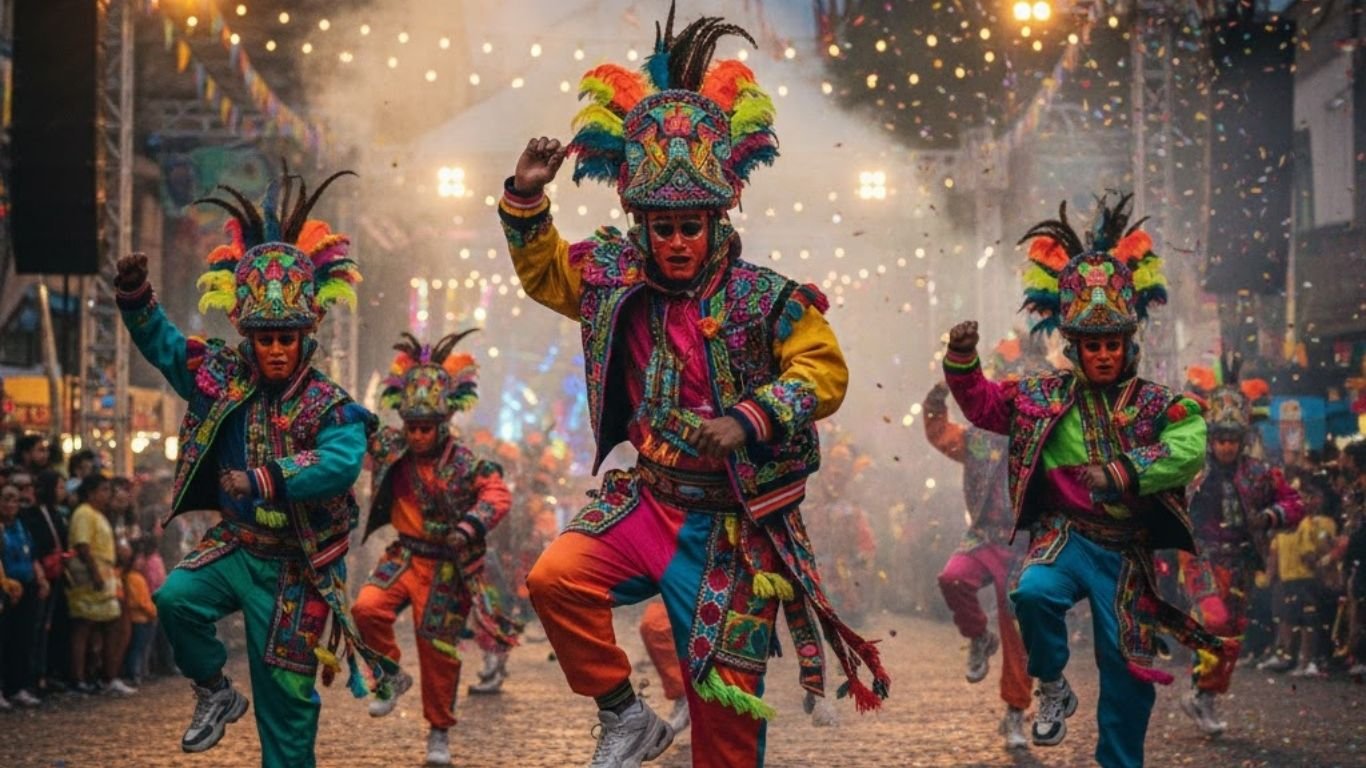
In online and casual conversations, it often describes people with bold, quirky, or flamboyant energy. Think of a group of friends who walk into a room with confidence, style, and a little drama, that’s the kind of vibe captured by this word.
In a more traditional sense, ciulioneros can also refer to performers or cultural figures who preserve heritage through music, dance, and storytelling. These individuals are lively, expressive, and deeply connected to community traditions.
In short, the term is flexible, it can describe behavior, attitude, or cultural roles, depending on who’s using it and where.
Origins and Linguistic Roots
While not found in formal dictionaries, the structure of the word hints at Romance language origins, particularly Spanish. The suffix “-eros” is often used to describe people associated with an activity or role, like “taqueros” (people who sell tacos) or “rancheros” (people who live or work on a ranch).
The root “ciulion” doesn’t have a clear definition, suggesting the term started as colloquial speech or regional slang. Over time, it spread through communities, both offline and online, gaining additional meanings depending on the context.
This kind of language evolution, from informal speech to widely recognized slang, is a hallmark of living, adaptive language.
Ciulioneros in Traditional Culture
In some communities, ciulioneros are seen as cultural performers. They play music, dance, and tell stories as a way of preserving traditions. Their role often blends entertainment with education, making them guardians of culture.
Music and Performance
These performers are often skilled in rhythm-based music. Instruments like drums, flutes, or stringed instruments provide energy and emotion to their presentations.
Dance and Storytelling
Every gesture and movement has meaning. Their dances can convey creation myths, historical events, or moral lessons, connecting audiences to a deeper cultural heritage.
Community Role
Beyond performance, ciulioneros often serve as educators, passing down stories, songs, and practices from one generation to the next. Their work keeps history alive in a dynamic, participatory way.
Ciulioneros in the Digital Age
In modern times, ciulioneros has taken on a life of its own online. Social media platforms, memes, and discussion forums have adopted the term to describe:
- Groups with high-energy or flamboyant behavior
- People who exhibit bold, quirky, or attention-grabbing traits
- Memes or captions highlighting dramatic or playful antics
For example, you might see a video of friends showing off outrageous outfits with the caption “total ciulioneros energy.” In this sense, the term functions more as a social label or vibe rather than a literal description.
Ciulioneros and Identity
Words like ciulioneros stick because they offer a sense of belonging and identity. Calling someone a ciulionero is more than describing behavior, it’s acknowledging a shared understanding of style, attitude, or energy.
This is why the term resonates online. It’s playful, relatable, and flexible, all qualities that make it easy for communities, especially younger audiences, to adopt and adapt.
Why the Term Matters
Even though it’s not a standard dictionary word, ciulioneros demonstrates how language evolves to capture culture and social expression. Modern communication thrives on adaptable terms that convey mood, identity, and shared experience.
In essence, understanding ciulioneros gives insight into how people use language creatively, bridging traditional culture and modern digital life.
Examples of Usage
Here are a few practical examples of how you might see the term used:
In casual chat
“That group just walked in like total ciulioneros.”
On social media
“Bringing full ciulioneros vibes to tonight’s party 💥”
In meme culture
Short, funny videos of chaotic or high-energy groups are often tagged with “#ciulioneros” to convey bold or playful behavior.
Frequently Asked Questions (FAQs)
Q1: Is “ciulioneros” a real word?
Yes, it’s real in the sense that people understand and use it, even if it’s not in formal dictionaries.
Q2: Where did it come from?
It likely started as colloquial speech, influenced by Spanish language structures, and spread online and in social circles.
Q3: Is it offensive?
Generally, no. It’s playful and descriptive, but tone and context can affect perception.
Q4: Can anyone use the term?
Yes, though it works best when you understand the playful or energetic vibe it conveys.
Q5: Does it have cultural significance?
Yes, in traditional settings, ciulioneros are performers who preserve music, dance, and storytelling heritage.
Final Thoughts
Ciulioneros is a word that bridges tradition and modern culture. It’s playful, flexible, and expressive, a perfect example of how language evolves with people. Whether describing cultural performers or capturing a lively online energy, the term reminds us that words carry stories, vibes, and identity.
Next time you hear it, you’ll understand not just the meaning but the attitude and history behind it.
 cherry B