

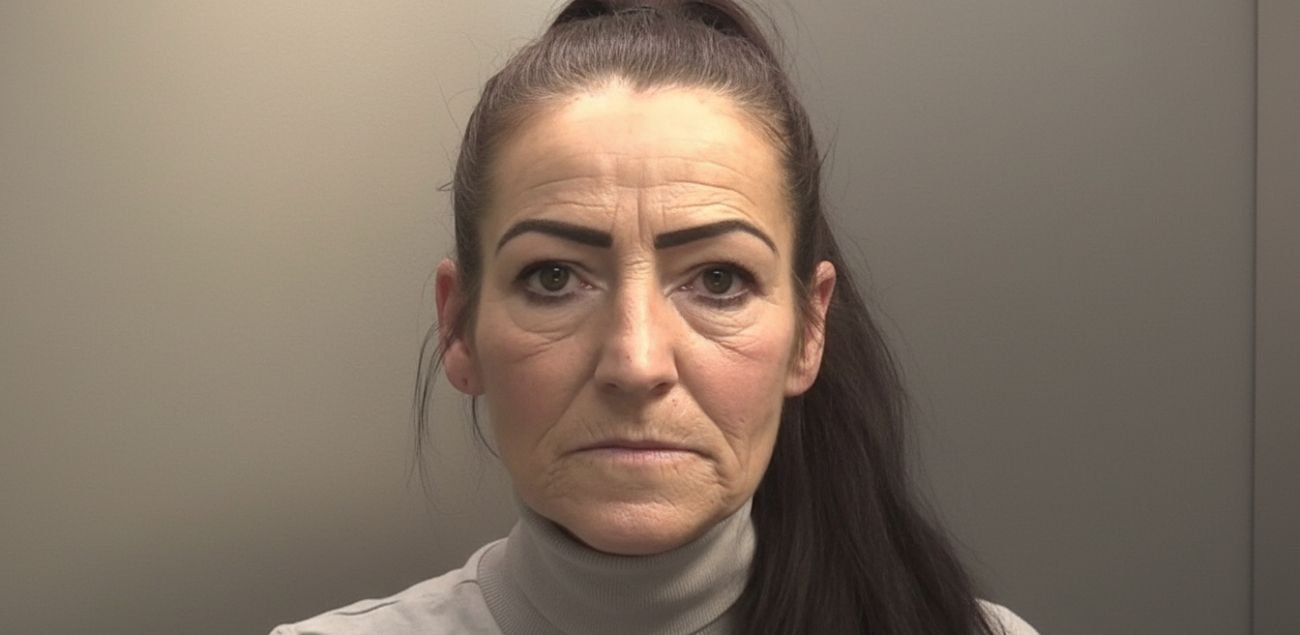
When the words “Maxine Tomney wanted” flashed across Merseyside Police’s social channels, Liverpool did what it always does best, it started talking.
Within minutes, X (formerly Twitter) was buzzing with retweets of the official post: a public appeal to locate 55-year-old Maxine Tomney, who’s reportedly wanted for recall to prison. The photo was clear, the caption was blunt, and the comments section lit up with speculation, concern, and, of course, a fair amount of sleuthing.
But who is Maxine Tomney, why is she wanted, and what exactly does a “recall to prison” mean in the UK system? Here’s what we know, what we don’t, and why this seemingly local story has gone viral far beyond Liverpool.
🧾 Quick Bio Snapshot
| Full Name | Maxine Tomney |
|---|---|
| Age | 55 (as of 2025) |
| Location | Liverpool, United Kingdom |
| Known For | Currently wanted for recall to prison by Merseyside Police |
| Status | Wanted as of November 2025 |
| Notable Detail | Public appeal shared across national news and social media |
| Socials | None publicly confirmed |
Who Is Maxine Tomney?
Every “wanted” alert starts with a name, and in this case, Maxine Tomney’s has suddenly become one of the most searched in the UK this week.
According to Merseyside Police, Tomney is a 55-year-old woman from the Huyton area of Liverpool. Officials issued a public appeal in early November 2025 after she was wanted on recall to prison, which typically happens when someone released on licence breaches their conditions.
But before the headlines and hashtags, Tomney was, by most local accounts, an unassuming figure. While public details about her life are scarce, neighbours described her as “quiet but private.” That’s part of what makes the case so gripping: how an ordinary life can suddenly collide with extraordinary public scrutiny.
What Does “Wanted” Mean in Her Case?
If you’ve ever wondered what a “wanted on recall to prison” alert actually means, it’s not quite as dramatic as a Hollywood manhunt (no high-speed chases here), but it’s serious nonetheless.
When a person is released from prison in the UK before serving their full sentence, they remain “on licence”, a kind of probation period where they must follow specific conditions. If they violate those terms, by missing appointments, failing to live at an approved address, or reoffending, they can be recalled to prison.
So when you see “Maxine Tomney wanted,” it’s not necessarily about a new crime; it could be about breaking licence conditions from an earlier case. Still, until she’s located, the public is urged to assist.
Merseyside Police posted the appeal on X, stating clearly that they are seeking information on her whereabouts and encouraging anyone who spots her to reach out via official channels.
The Merseyside Alert: How It Went Viral
Liverpool knows how to rally around a story, especially one with local roots. The Merseyside Police Knowsley account’s original post wasn’t meant to trend. It was standard procedure: a short caption, a headshot, and a reminder to contact authorities with any tips.
But within hours, it was shared across Facebook community groups, local radio, and even picked up by national tabloid outlets.
Some commenters noted that her name had been circulated before, suggesting this isn’t Tomney’s first public appeal, though the police haven’t confirmed that.
The virality partly comes down to timing: in an era where local policing updates can become national trending topics, the Maxine Tomney appeal struck a chord. The phrase “Maxine Tomney wanted” now returns thousands of search results, an indication of how quickly digital curiosity spreads.
Why the Public Is Being Asked to Help
It’s rare for police to go public unless they truly need extra eyes. When they do, it’s because time and visibility matter.
In this case, Merseyside Police specifically appealed to the Liverpool community, known for its tight-knit neighbourhoods and quick response to social causes.
By sharing her image and basic details, authorities are asking the public to act as digital witnesses. Every share could potentially lead to a sighting, a report, or valuable context.
But with great virality comes a warning: not everything shared online is accurate. Authorities stress that any information should go directly to them, not the comments section of social media posts.
What We Know (and Don’t Know) About the Allegations
Here’s what’s clear: Maxine Tomney is wanted for recall to prison.
What’s not clear: the original conviction or the circumstances leading to this recall. Police have not released details about what offence led to her previous sentence, likely for legal or privacy reasons.
In cases like this, the recall could stem from failing to comply with post-release supervision, rather than committing a new crime.
That nuance is important, and often lost in the swirl of online speculation.
Until police confirm her capture or provide updates, everything else remains unverified. That’s why, as tempting as it is to connect dots on social media, journalists and readers alike are reminded to stick with official statements and trusted news outlets like BBC, ITV News, and Merseyside Police updates.
The Social Media Storm
There’s something fascinating, and a bit unsettling, about how quickly a local law enforcement notice becomes a viral talking point.
Within a day of posting, “Maxine Tomney wanted” became a trending topic in the Liverpool region, with users debating whether such public alerts help or humiliate.
A viral TikTok even stitched the police post with commentary from locals saying, “Everyone in Huyton knows someone who knows Maxine.” That’s the strange paradox of modern virality: the intersection between community concern and digital gossip.
Much like past viral cases, remember when “Couch Guy” or “Bama Rush” took over timelines? — this one blends truth-seeking with entertainment. Except here, the stakes are real.
What “Recall to Prison” Really Means
To make sense of this, it’s worth understanding the legal system behind that phrase.
When an offender is released early from custody in the UK, they serve the remainder of their sentence under supervision. That’s called being “on licence.”
The rules vary, they might have to live at a particular address, check in with probation, avoid certain people, or stay within a certain area.
If they break those terms, they can be recalled to prison to serve the rest of their sentence.
That’s what seems to have happened with Maxine Tomney. It’s not necessarily an escape scenario; it’s more about a breach of conditions that the system takes seriously.
(For anyone curious, Gov.UK offers an official breakdown of recall procedures and offender management, a surprisingly accessible read for those who love true crime meets policy.)
Police Response & Public Cooperation
In statements to local press, Merseyside Police thanked the public for sharing the post and urged restraint from speculation.
They reminded readers that posting personal opinions or alleged sightings online can compromise investigations, or worse, lead to misinformation.
The message is clear: If you’ve seen Maxine Tomney, call 101 or message Merseyside Police directly.
Anonymous tips can also be sent via Crimestoppers at 0800 555 111.
Frequently Asked Questions
1. Why is Maxine Tomney wanted?
She’s reportedly wanted on recall to prison for breaching licence conditions after release.
2. What does a recall mean?
It means the person must return to custody, often for failing to comply with probation or supervision rules.
3. How can I report information?
Contact Merseyside Police via their website, social media, or the 101 hotline. Do not post unverified info online.
4. Is she considered dangerous?
Police haven’t stated she poses a public risk, the appeal is procedural, not a warning of threat.
5. Has she been found yet?
As of the latest update (November 2025), Maxine Tomney remains wanted. Any updates will appear on official Merseyside Police channels.
The Bigger Picture: What It Says About Crime, Media, and Modern Curiosity
The “Maxine Tomney wanted” story isn’t just about one person, it’s about how we consume justice in real time.
A single tweet can mobilize thousands, and every “share” blurs the line between public service and public spectacle.
It raises fair questions: Are we helping or overexposing? How do you balance transparency with privacy when someone becomes the face of a recall notice?
Media outlets, including People, The Guardian, and Insider, have all noted how virality reshapes modern policing. What once stayed local now becomes instant national conversation.
What’s Next for Maxine Tomney in 2025?
If located, Maxine Tomney would likely return to prison to serve the remainder of her sentence or until authorities decide she meets licence conditions again.
After that, her case might fade from headlines, or it might spark broader discussion about how the UK handles recalls and digital wanted appeals.
For now, her story sits at the crossroads of curiosity and caution: a reminder that behind every trending name is a real person, real law, and real consequences.
Editorial Takeaway
Whether you’re in Liverpool or Los Angeles, stories like this one hit the same emotional nerve, the uneasy mix of fascination and empathy. We click, we comment, we wonder.
But maybe the best takeaway from the Maxine Tomney wanted moment isn’t the gossip, it’s the gentle nudge to think about how we, as digital citizens, react to these public appeals.
So, what do you think, do viral police appeals help justice or just amplify chaos?
Tell us what you think over on Instagram @amourvertmag or check out our coverage of other trending UK stories like [The Mystery of Salish Matter’s Rise to Fame] and [How Gen Z Influencers Are Taking Over True Crime TikTok].