

When you search for commercial HVAC in Fort Worth, you’re usually dealing with a real-world need—keeping a building comfortable, compliant, and energy-efficient in a climate that can swing from scorching summers to chilly winters.
Having worked around commercial HVAC systems in Texas environments, I’ve seen how much these systems impact day-to-day operations. Whether it’s a retail store struggling with uneven cooling or a warehouse dealing with ventilation issues, the right setup—and proper maintenance—makes all the difference.
This guide walks you through everything you actually need to know, without fluff or sales pressure.
What Is Commercial HVAC?
Commercial HVAC refers to heating, ventilation, and air conditioning systems designed for larger buildings and complex environments like offices, malls, hospitals, and industrial facilities.
Unlike residential systems, commercial HVAC setups are built to:
- Handle larger square footage
- Support multiple zones
- Operate for longer hours
- Meet regulatory and safety standards
Difference Between Commercial and Residential HVAC
From hands-on experience, the biggest differences come down to scale and complexity.
Residential HVAC:
- Smaller systems
- Usually single-zone
- Easier installation and maintenance
Commercial HVAC:
- Modular and scalable systems
- Zoned temperature control
- Requires specialized design and ongoing service
In Fort Worth, commercial systems must also handle extreme summer heat, which adds extra strain on equipment.
Types of Commercial HVAC Systems
Rooftop Units (RTUs)
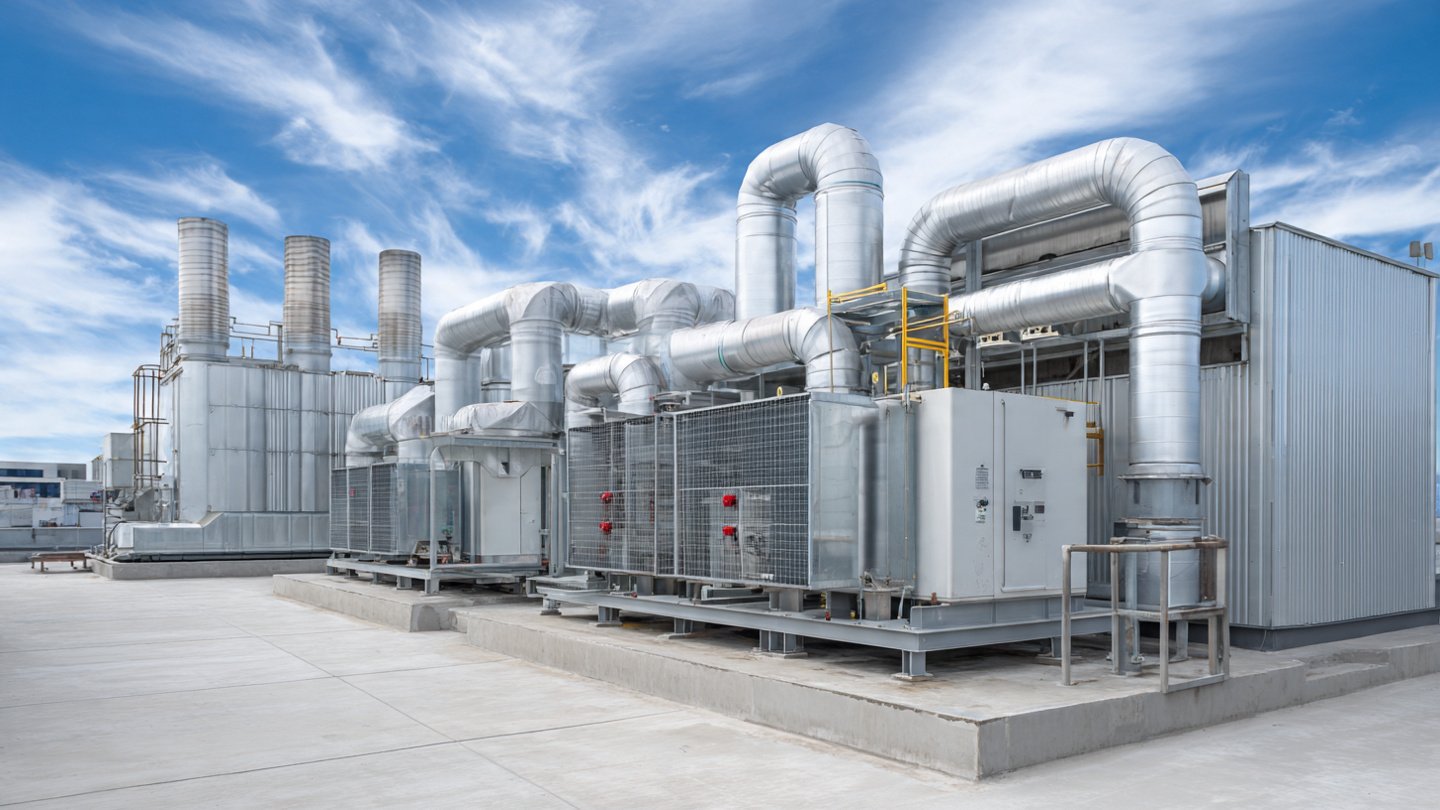
These are very common in Fort Worth. They’re installed on rooftops, saving indoor space and simplifying airflow distribution.
Chillers and Boilers
Used in large facilities like hospitals or factories, these systems manage temperature through water-based cooling or heating.
VRF/VRV Systems
Variable Refrigerant Flow systems allow precise temperature control across different zones—ideal for office buildings.
Split Systems
These are similar to residential systems but scaled up for commercial use.
Commercial HVAC Services in Fort Worth
Installation and System Design
Proper design is critical. I’ve seen buildings where poor planning led to uneven cooling and skyrocketing energy bills.
A well-designed system considers:
- Building layout
- Occupancy levels
- Sun exposure
- Insulation quality
Commercial HVAC Repair
Common issues businesses face include:
- Inconsistent cooling
- Airflow blockages
- Refrigerant leaks
- Electrical failures
In Fort Worth’s heat, even a short system failure can disrupt operations quickly.
Preventive Maintenance Services
Routine maintenance is often overlooked—but it’s one of the smartest investments.
Typical maintenance includes:
- Filter replacements
- Coil cleaning
- System inspections
- Performance testing
From experience, regular maintenance can extend system life by years.
Emergency HVAC Services
Unexpected breakdowns happen—usually during peak summer.
Fast response matters because:
- Employee productivity drops
- Equipment can overheat
- Customers may leave uncomfortable spaces
How to Choose the Right Commercial HVAC Contractor
Even if you’re just researching, it helps to know what separates a reliable contractor from the rest.
Licensing and Certifications
Always ensure compliance with Texas regulations.
Commercial Experience
Commercial systems are far more complex than residential ones.
Customer Feedback
Look for consistent reviews mentioning reliability and problem-solving.
Knowledge of Fort Worth Climate
Local expertise matters. Systems must handle:
- High summer temperatures
- Dust and air quality concerns
Cost of Commercial HVAC in Fort Worth
Costs vary widely depending on the building and system type.
Installation Costs
- Small commercial systems: $10,000 – $30,000+
- Large systems: Can exceed $100,000
Repair Costs
- Minor fixes: $150 – $1,000
- Major repairs: Several thousand dollars
Maintenance Plans
- Monthly or annual contracts are common
- Typically range from a few hundred to several thousand annually
What Affects Pricing?
- Building size
- System complexity
- Energy efficiency goals
- Age of existing equipment
Benefits of Professional Commercial HVAC Systems
Improved Energy Efficiency
Modern systems use less energy while delivering better performance.
Lower Operating Costs
Efficient systems reduce long-term expenses.
Better Indoor Air Quality
Proper ventilation reduces dust, allergens, and pollutants.
Regulatory Compliance
Commercial buildings must meet specific standards.
Longer Equipment Lifespan
Well-maintained systems last significantly longer.
Industries That Rely on Commercial HVAC
In Fort Worth, HVAC systems are essential for:
- Office buildings
- Retail stores
- Restaurants
- Healthcare facilities
- Warehouses
- Educational institutions
Each environment has unique requirements. For example, restaurants need strong ventilation, while offices prioritize comfort and quiet operation.
Signs Your Commercial HVAC System Needs Attention
From real-world experience, these warning signs shouldn’t be ignored:
Rising Energy Bills
Often indicates inefficiency or hidden issues.
Uneven Temperatures
Common in poorly designed or aging systems.
Frequent Breakdowns
A clear sign the system may be nearing replacement.
Poor Air Quality
Dusty or stale air can point to ventilation problems.
System Age
Most systems last 10–20 years depending on usage and maintenance.
Energy-Efficient HVAC Solutions for Fort Worth Businesses
Energy efficiency is becoming a priority—not just for cost savings, but also sustainability.
Smart Thermostats
Allow automated temperature control and monitoring.
High-Efficiency Systems
Modern units are designed for extreme climates like Texas.
Retrofitting Existing Systems
Upgrading components can improve performance without full replacement.
Local Incentives
Some programs offer rebates for energy-efficient upgrades.
Maintenance Tips for Long-Term Performance
Simple practices can prevent major issues:
- Replace filters regularly
- Schedule quarterly inspections
- Keep outdoor units clean
- Monitor unusual noises or performance changes
- Clean ducts and vents periodically
These steps can significantly reduce downtime and repair costs.
Why Local Fort Worth Expertise Matters
Local HVAC professionals understand:
- Climate challenges
- Building codes
- Common system issues in the area
This knowledge leads to better system design and faster troubleshooting.
FAQs About Commercial HVAC in Fort Worth
How much does a commercial HVAC system cost?
Costs vary widely, but most systems range from $10,000 to $100,000+, depending on size and complexity.
How often should maintenance be performed?
At least quarterly, though high-usage systems may require more frequent servicing.
How long do commercial HVAC systems last?
Typically 10 to 20 years, depending on maintenance and usage.
What size HVAC system does my building need?
It depends on square footage, layout, and usage. A professional load calculation is required.
What is the most common commercial HVAC system?
Rooftop units (RTUs) are widely used due to their efficiency and space-saving design.
Why is my building not cooling evenly?
This could be due to poor system design, duct issues, or failing components.
Final Thoughts
Understanding commercial HVAC in Fort Worth isn’t just about equipment—it’s about creating a comfortable, efficient environment that supports your business.
From my experience, the biggest mistakes happen when systems are either poorly designed or not maintained properly. On the other hand, businesses that invest in the right setup and routine care enjoy fewer disruptions, lower costs, and better overall performance.
If you’re evaluating your HVAC system, start by assessing performance, energy use, and maintenance history. Those insights often reveal exactly what needs attention.
 cherry B